-1.png "HR Compliance Consulting Firm")



As we enter 2026, the landscape of Equal Employment Opportunity (EEO) compliance continues to evolve rapidly. Berkshire’s recent webinar, “Your EEO Compliance Playbook for 2026,” provided timely insights and practical guidance for employers navigating this complex environment. Here are the essential takeaways to help you stay compliant and proactive this year.
The EEO Compliance Landscape Is Shifting
Federal Priorities Are in Flux: The current administration has shifted enforcement priorities, with a strong focus on DEI (Diversity, Equity, and Inclusion), immigration and Anti-American bias, and higher education. Employers must be aware of changing emphasis, not just new or removed requirements.
State and Local Law Expansion: States are increasingly stepping in to fill perceived gaps in federal enforcement, especially around pay equity and transparency.
Public Scrutiny: Social media and increased transparency mean employer practices are under more scrutiny than ever.
Enforcement Trends and Risks
Whole-of-Government Approach: Multiple federal agencies—including the DOJ, EEOC, FCC, and FTC—are now involved in EEO enforcement, sometimes simultaneously.
False Claims Act as a Tool: The DOJ is using the False Claims Act aggressively, with settlements in 2025 nearing $7 billion.
Increased Audits and Whistleblower Activity: There is a heightened risk of audits, investigations, and whistleblower complaints, particularly related to DEI practices.
Disparate Impact and Proxy Theories
Disparate Impact Still Matters: Despite a DOJ memo de-emphasizing disparate impact, employers should not ignore it. Private plaintiffs continue to pursue these claims under federal law, and several states have clarified that employment practices that result in a disparate impact can create liability under state anti-discrimination statutes.
Proxy Theories: The Trump Administration is focusing on employment practices that may serve as proxies for race or sex. Employers should continue to analyze workforce data and decision-making processes to be prepared to respond to claims of proxy discrimination.
OFCCP and Federal Contractor Obligations
Uncertain Future for OFCCP: While the agency’s future remains in question, current funding proposals suggest the agency may not be eliminated. In the meantime, federal contractors must continue to comply with Section 503 (disability) and VEVRRA (protected veterans) requirements, as OFCCP is actively investigating complaints under both laws.
Contract Certifications: New contract certifications under Executive Order 14173 are pending, but EEO compliance language is already in federal contracts.
Required Reporting for 2026
Be prepared to file federal EEO reports: Employers should plan to file the EEO-1 report and VETS-4212 report this year. Although there is some uncertainty around the EEO-1 report, it is best to plan to file until any changes are finalized.
State reporting requirements continue to grow: Employers with operations in California, Illinois and Massachusetts must file regular workforce and/or pay data reports. Do not forget about these requirements even if things change at the federal level. Watch for other states to add new reporting requirements.
Pay Equity and Transparency
Patchwork of State Laws: A growing number of states now require salary ranges in job postings, with more considering similar laws. Pay reporting requirements are also expanding.
Global Considerations: The EU Pay Transparency Directive introduces new standards for multinational employers, focusing on jobs of similar value and unexplained pay differences of 5% or more.
Continue Regular Pay Audits: Employers should maintain holistic pay equity reviews, considering all demographics and ensuring remediation is thoughtful and compliant with all laws.
Market Benchmarking: Regularly review and update pay ranges and job architecture to ensure competitiveness and compliance.
Artificial Intelligence in HR
AI Use Is Growing: There is increasing pressure to incorporate AI into employment practices. HR must be prepared to meet that demand while ensuring compliance with existing federal law.
Compliance Is Key: Employers must monitor AI-driven selection procedures for disparate impact and ensure tools are job-related and validated. State laws may require regular bias audits.
Review immigration and religious accommodation policies and practices
Immigration compliance: Review visa sponsorship and immigration compliance processes. Stay abreast of the EEOC’s focus on Anti-American bias issues.
Review Policies and Training: Regularly review and update EEO and harassment policies, especially religious accommodation policies. Continue training employees on these issues and consider expanded training on current enforcement priorities.
Record-Keeping and Data Access
Demographic Data: Continue collecting and monitoring demographic data for compliance, but limit access and ensure it is not used in employment decisions.
Track Merit-Based Variables: Document the explanatory variables used in hiring, promotion, and other selection decisions to defend against potential claims.
Final Thoughts
The EEO compliance environment is more complex than ever, with shifting federal priorities, expanding state laws, and increased scrutiny of employer practices. The fundamentals remain: train your managers, analyze your workforce data, and make data-driven, consistent decisions. Staying proactive and informed is your best strategy for 2026.
Need help navigating these changes? Contact Berkshire for expert support in workforce analytics, pay equity and reporting, compliance, and litigation consulting.
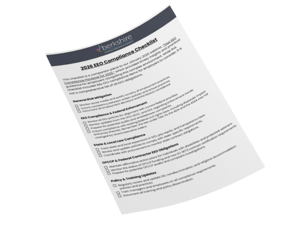
Want to take a copy to go? Download this checklist of some of the key EEO compliance items to share with your team.
.png?width=593&name=MicrosoftTeams-image%20(4).png "MicrosoftTeams-image (4)")